Is Detailing Your Car Interior Worth It? UK Guide 2026
Table of Contents
- The Benefits of Interior Car Detailing
- How Much Does Car Detailing Cost in the UK?
- DIY vs Professional: Which Interior Detail Is Right for You?
- How to Remove Bad Smells from a Car Interior
- How Often Should You Detail Your Car Interior?
- When Professional Interior Detailing Is Worth It (and When It Isn't)
- Conclusion: Is Detailing Your Car Interior Worth It?
- Frequently Asked Questions
Last Updated: September 11, 2026
The Benefits of Interior Car Detailing
Car interior detailing is the deep-clean process of restoring a vehicle's cabin, and it delivers more than a fresh look. The work reaches into fabric, carpet fibres, ventilation and every touchpoint that daily use grinds dirt into.
That distinction matters, because a wipe-down with a supermarket spray leaves most of the problem behind. So what does the full process actually give you?
- Healthier air inside the cabin. Odour-causing bacteria and allergens settle in upholstery, mats and the air conditioning system, and a proper detail targets all three rather than masking the smell.
- Protection for materials. Conditioned leather resists cracking, and sealed fabric resists staining, which slows the wear that builds up over years of commuting.
- Stronger resale position. A well-maintained interior is widely cited as a primary factor in making a vehicle more desirable to prospective buyers, which directly affects what a dealer or private buyer will offer (Carnation Auto Spa on interior condition and resale).
- A more pleasant daily drive. For anyone spending hours behind the wheel, the cabin is a workspace. How it smells and feels shapes every journey.
Professional interior detailing is increasingly treated as a genuine maintenance task rather than a cosmetic luxury, extending beyond appearance to a hygienic driving environment (UniglassPlus on interior detailing as vehicle maintenance).
The catch is that not every vehicle needs the full treatment. The real question is what condition yours is in.
How Much Does Car Detailing Cost in the UK?
There is no single national price, because cost depends on vehicle size, condition and how deep the clean goes. Expect a basic interior clean at the lower end and a full restoration, with shampooed carpets and steam-treated upholstery, at several times that.
Rather than quoting a figure that will not match your local market, use the tiers below to judge what you are being offered.
| Service level | What's included | Typical turnaround |
|---|---|---|
| Basic interior clean | Vacuum, wipe-down, glass, light freshen | Under 1 hour |
| Standard detail | Above plus shampooed mats, door shuts, trim dressing | 2-3 hours |
| Full restoration | Steam, extraction, stain treatment, odour work, leather care | Half a day or more |
A common mistake is comparing quotes without comparing scope. Two "interior details" can differ by three hours of labour, and the cheaper one often skips the extraction that actually removes embedded grime.
DIY vs Professional: Which Interior Detail Is Right for You?
DIY wins on cost and control; professional detailing wins on equipment, speed and results on neglected interiors. The right answer depends on how bad things are and how much time you have.
Some owners question the cost of professional services when similar results seem achievable through personal effort (Quora discussion on DIY versus professional detailing). That is fair for a lightly used car. It falls apart when odours have soaked into foam or when pet hair has woven itself into carpet.
Go DIY if:
- The interior is already broadly clean and needs maintenance
- You have a driveway, a wet vacuum and a free afternoon
- You enjoy the process and want to control which products touch your trim
Go professional if:
- There are stubborn odours, stains or years of built-up grime
- You drive for work and cannot lose the vehicle for a full day
- The car is being sold and you want the best possible presentation
The necessity of professional detailing is not universal. It is widely viewed as a conditional investment that depends on the vehicle's current condition and the owner's specific needs (Auto Detailing Analysis on when professional work pays off).
For most people, the sensible split is DIY maintenance between professional deep cleans. That keeps costs down without letting the cabin slide.
How to Remove Bad Smells from a Car Interior
Removing a bad smell means eliminating its source, not covering it. Odours live in three places: the fabric and foam, the air conditioning system, and the surfaces your hands and clothes touch.
Work through them in this order:
- Strip the cabin. Remove mats, boot liner and anything loose. Most odour sources are hiding under or inside them.
- Vacuum everything, then vacuum again. Use a crevice tool along seat rails and under seats, where crumbs and moisture collect.
- Treat the fabric. Shampoo carpets and upholstery, then extract. For embedded smells, this step is the one that matters.
- Clean the ventilation system. Odour-causing bacteria settle in the air conditioning, so an air con treatment circulates through the vents and tackles the source directly.
- Replace the cabin filter. A clogged filter keeps pushing stale air back into the car.
- Finish with fragrance, not masking. Once the surfaces are clean, a diffuser or air con freshener keeps the cabin pleasant between deep cleans.

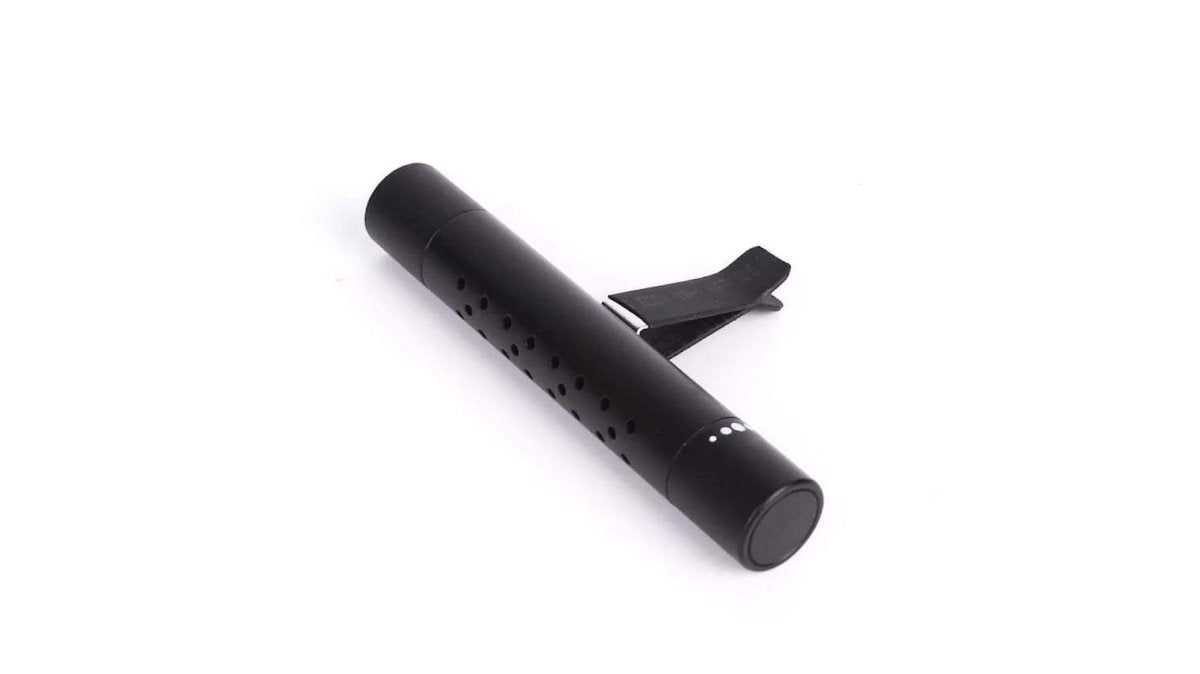
A diffuser handles the ongoing job well. Carburst's refillable, wireless diffusers are designed to keep a cabin fresh for up to 60 days, and the Air Con Bomb range works through the ventilation system rather than sitting passively on a vent. For stubborn cases, the CarBurst Spray Bottle makes pre-treating carpets and mats straightforward before extraction.

How Often Should You Detail Your Car Interior?
A full car interior detailing session every three to four months suits most drivers, with lighter maintenance in between. Frequent drivers, pet owners and anyone eating in the car should shorten that to every two months.
Between details, a ten-minute routine keeps things from deteriorating:
- Shake out mats weekly
- Wipe high-touch surfaces such as the wheel, gear stick and door handles
- Clear rubbish every time you fill up
- Top up your fragrance source so the cabin never gets that stale, closed-in smell
If you notice a smell returning within days of cleaning, the source was never removed. That is a sign to book a deeper clean rather than reaching for another air freshener.
When Professional Interior Detailing Is Worth It (and When It Isn't)
Professional detailing is worth it when there is a specific problem to solve or a financial reason to present the car well. It is not worth it when the interior is already clean and you simply want it to smell nicer.
Worth it:
- You are selling or trading in and want the strongest offer
- The car has been smoked in, used for pets, or carried children for years
- You drive passengers for a living and presentation affects your income
- There is visible mould, mildew or a persistent damp smell
Not worth it:
- The interior is already well maintained
- You only want a better scent, which a diffuser solves for far less
- The vehicle is a high-mileage runaround where the cost outweighs any return
Conclusion: Is Detailing Your Car Interior Worth It?
So, is it worth detailing your car interior? For most drivers, yes, with a caveat. The deep clean earns its cost when there is genuine grime, odour or a sale on the horizon, and it protects materials that are expensive to replace. What it does not do is keep the cabin fresh week to week, which is a separate job entirely.
That ongoing freshness is where Carburst fits. Our designer-inspired diffusers and fragrance oils keep a car smelling clean for up to 60 days, with refillable, wireless units, minimal recyclable packaging and free delivery across the UK. Shop All Products and give your interior the finish a deep clean deserves.
Frequently Asked Questions
How much does professional interior car detailing cost in the UK?
Professional interior car detailing in the UK typically costs between £80 and £250, depending on vehicle size and condition. A basic clean for a small hatchback starts around £80, while a full interior restoration for a larger vehicle with heavy staining can exceed £300. These prices reflect the labour, equipment, and products involved. For regular freshness between details, a refillable car diffuser from Carburst costs £8.99 and lasts up to 60 days.
Can interior detailing remove stubborn odours and stains?
Yes, professional interior detailing uses hot water extraction, steam, and enzyme cleaners to break down odour-causing bacteria and lift stains from upholstery and carpets. However, some deep-set smells from smoke or mildew may need repeat treatments. For everyday freshness, an air conditioning bomb like the SauvageX Air Con Bomb (£8.99) circulates through the vents to combat bacteria and leave a long-lasting fragrance.
Is it better to detail the interior yourself or hire a professional?
It depends on your car's condition and your budget. DIY detailing with a spray bottle, microfibre cloths, and a carpet detailing block costs under £30 and works well for light maintenance. Professional detailing costs £80-£300 but delivers deeper cleaning and saves hours of effort. If your interior has heavy stains or odours, a professional is usually worth it. For ongoing freshness, a refillable diffuser offers a practical middle ground.
Does interior detailing help maintain a car's resale value?
A clean, well-maintained interior is a primary factor in making a vehicle more desirable to prospective buyers, directly impacting resale or trade-in value. Professional interior detailing removes stains, eliminates odours, and restores surfaces, which can help you command a higher price. Even if you sell privately, a fresh-smelling cabin creates a strong first impression. Regular care, including using a diffuser to keep odours at bay, supports long-term value.